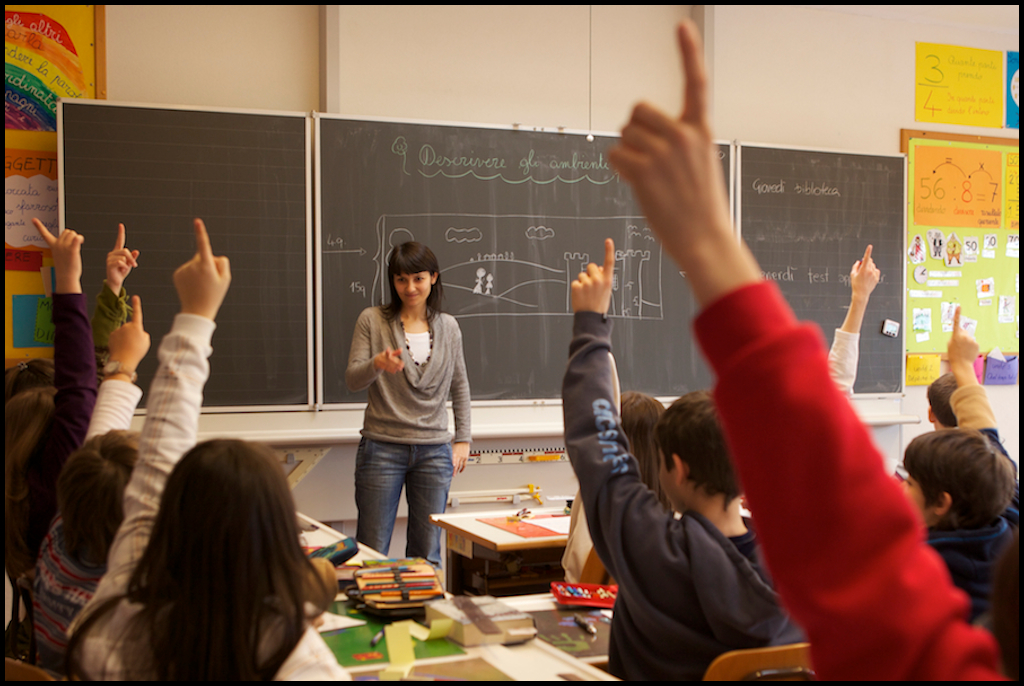
As a former classroom teacher, and a current professor of education, I’ve met hundreds, if not thousands, of current and future teachers. As in any profession, the people in it run the gamut from outstanding to how-on-earth-did-someone-award-you-a-degree. It benefits us all when we have strong educators in classrooms, because education improves society, not just the individual. I’m happy to say that in my time as a professor, I’ve run across very few students who shouldn’t be in the classroom. However, as a classroom teacher, I ran across quite a few more. In service of making sure that people who end up in classrooms actually should be there, here are a few reasons why you SHOULDN’T become a teacher.
- You just want a steady job. I hear you. Teaching is a steady paycheck, and it seems like anyone can do it. This is true. Virtually anyone who is currently breathing can pass out worksheets and keep a class full of kids alive through 3pm. What is much harder, however, is making the students LEARN something; this is a very difficult set of skills that is only mastered through study and years of practice. There are easier jobs with higher pay and less controversy than teaching. Go find one of those.
- You just love kids because ZOMGkidsaresooooooocute! They will stop being cute approximately 5 seconds after they vomit on you. Yes, if you are teaching the tiny ones, they WILL vomit on you. And paint on you. And wipe snot on you. They will also be adorable, but a teacher is not sustained by adorable-ness alone. If you want to have a job full of cuteness, go put pictures of cats on the internet.
- You want to be admired for your noble pursuits. Well, unfortunately, pretty much no one is going to admire you. If you teach the littles, then they will worship the ground you walk on, most of the time. But adulation from your fellow adults? That is a rare jewel, my friend. You’re going to hear a lot about those who supposedly can “do” and those who can’t. If you want to be admired, I would recommend perhaps something in the field of curing major diseases?
- You want to tell people what to do. If you become a teacher you can, in fact, wield power over WHOLE CLASSROOMS of students. You can be in charge of 30 or so children at a time! The power is practically maddening. In reality, though, if you want to do that whole “making them learn” thing I previously mentioned, you’re going to have to learn how to give up that power, not wield it like a demigod. You’re going to have to let students make decisions, and you’re going to have to be willing to apologize and sometimes be proven wrong.
- Summers off, bro! Sure, you might get “summers” off (which often ends up being the couple of short weeks between when the school year ends and summer school begins), but here’s what you’re going to do the rest of the year. You’re going to wake up around 5 or so, so that you can get yourself dressed, fed, and in your classroom by about 7. You’re going to spend around an hour dealing with paperwork and prepping lessons. Then you’re going to spend approximately 7 hours dealing with demanding, energy-filled young people. If you are very, very lucky, you might get a planning period during that time, which you will use to catch up on grading. You will get approximately 12 seconds to eat your lunch, as you walk to the front office to make copies and meet with a parent for an IEP. After that 7 hours is up, you’re going to spend an hour or more working with your students on remedial or advanced work. Following that, you will grade some more, do some more planning and prep, and leave for home somewhere around 5:30-6pm. Did you count those hours? That’s an 11 hour day, with virtually no break, 5 days a week, for the whole school year. This, of course, assumes that you don’t run any extracurriculars. Sports coach or music teacher? Even worse. But regardless of what you teach, every second of your vacation time (and more) will have been paid in advance by your work during the school year.
- You want to coach a sport. I can certainly understand that coaching is a passion for many people. However, if you’re teaching JUST to be able to coach, then you’re doing a massive disservice to your students. I can’t even tell you how many teachers I’ve met who coach a sport as if the world depended on the outcome of each game, but can’t be bothered to truly teach their academic classes. The problem is that those academic subjects that they’re coasting along in? Those are incredibly important, and students deserve more than assigned reading and the review questions at the end of the chapter. If your primary goal is to coach, then great; just make sure you teach as well as you coach.
So, given these reasons, why would anyone in their right mind want to become a teacher? Why would you willingly go into a profession that is fraught with controversy, that pays you less than you are worth, and that has a massive workload? Here’s why.
You are going to be pursuing one of the few professions that will allow you to make a significant impact on hundreds, maybe thousands of people. You are literally shaping the future when you teach. Those young minds are watching you. They are listening to everything you say. They are, daily, making choices about their futures based on what you share with them, what you model for them, and the questions you ask them. You are going into the profession all other professions rely upon. Every doctor, lawyer, scientist, politician, firefighter, chef, engineer, artist, mother, and father was first a student. Everything they create or achieve is in some part due to their teachers. That Top 40 hit? That engineering marvel? That inauguration speech? They’re all due, in no small part, to a teacher. To many teachers. To all of us, as educators, working together to build the future. You’re going to be sustained, daily, not by the faculty meetings and state testing, but by the A-ha moments. You’re going to keep that dirty plastic tiger on your desk like it was the Congressional Medal of Honor, because it was a kid’s most prized possession, and they chose to give it to YOU. You’re going to get letters from students who tell you that if it wasn’t for you they’d have never made it: to college, to a good job, or sometimes just to adulthood. You’re going to see parents weep when their child achieves something they never dreamed possible. You’re going to go to bed every night totally and completely exhausted, and wake up the next morning itching to get into the classroom. By the end of the school year, you’ll be beyond ready for a margarita and a beach, but after a couple of weeks you’ll be stashing away school supplies again and planning the arrangement of your room for the new year. You’re going to boast about your students as if they were your own offspring. You’re going to rejoice with them in their victories and cry with them in their defeats. You’re going to make them believe that they can BE change in the world, and teach them how to do it. Sound cheesy? Sure it is. It’s beyond cheesy, but it’s also true. So if the first 6 points scared you off, this profession wasn’t for you anyway. But if you’re ready to do this right, then jump in with both feet; the kids are waiting for you!





Leave a Reply